
The History of Patterned Glass
2026-03-13
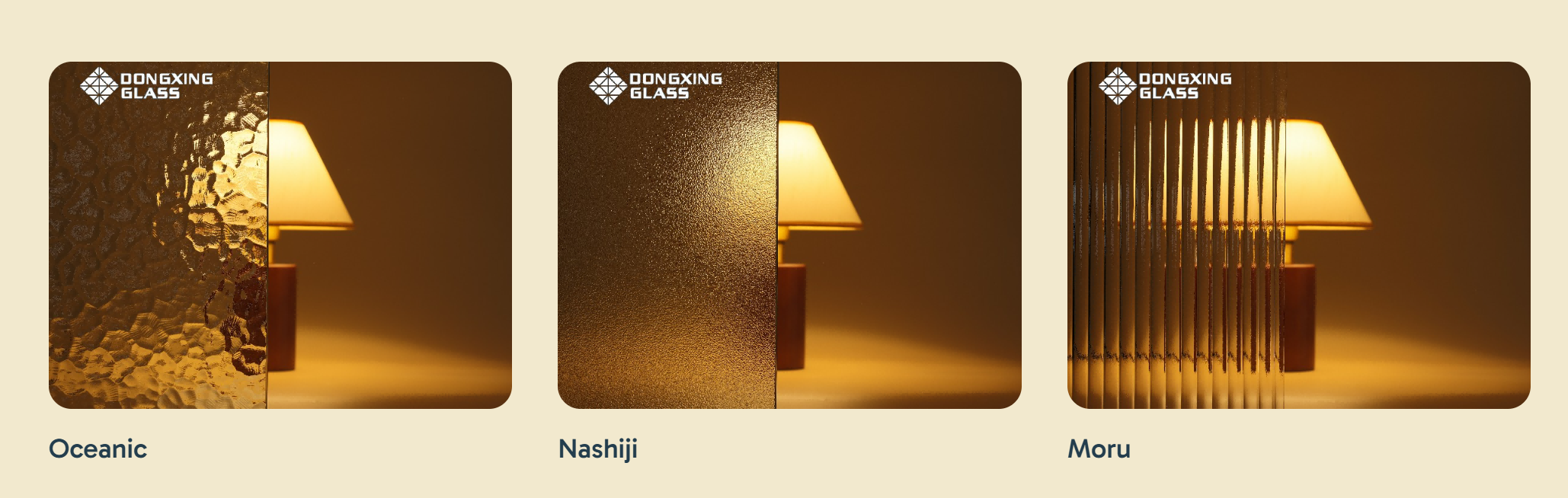
Patterned glass, also known as figured or rolled glass, is a distinctive type of glass with embossed designs on its surface, combining functionality and aesthetics. Its origin can be traced back to ancient civilizations, though the modern technique of mass-producing it emerged much later. As early as 5 BCE, Egyptians used simple molds to cast glass with basic patterns, but these were primitive and limited to small decorative pieces, serving only the wealthy.
A critical breakthrough came in the 1820s with the invention of mechanical glass pressing by American craftsman John P. Bakewell, who patented the first commercial glass-pressing machine in 1825. This technique allowed molten glass to be pressed into engraved molds, creating intricate patterns efficiently. In 1827, Deming Jarves developed delicate "lacy" patterns, which couldn’t be achieved by traditional cutting methods, marking the true birth of modern patterned glass.
By the mid-19th century, the technology spread to Europe: England installed its first pressing machine in 1833, and European artisans created unique patterns like "snakeskin". In the US, patterned glass flourished between 1840 and 1880, with over 250 patterns produced for everyday tableware. The 20th century brought improvements, such as the 1918 advancement by Emil Biche Roux, which enhanced pattern uniformity.
Today, patterned glass is ubiquitous, with patterns ranging from geometric designs to natural motifs. It is widely used in architecture for privacy while allowing light transmission. Modern innovations have introduced colored and tempered patterned glass, continuing its evolution from a luxury craft to an essential, versatile material that blends tradition and modern technology.
(key words: glass industry, textured patterned glass, patterned glass for partition wall, construction patterned glass)
Why are glass price difference?
Related Article
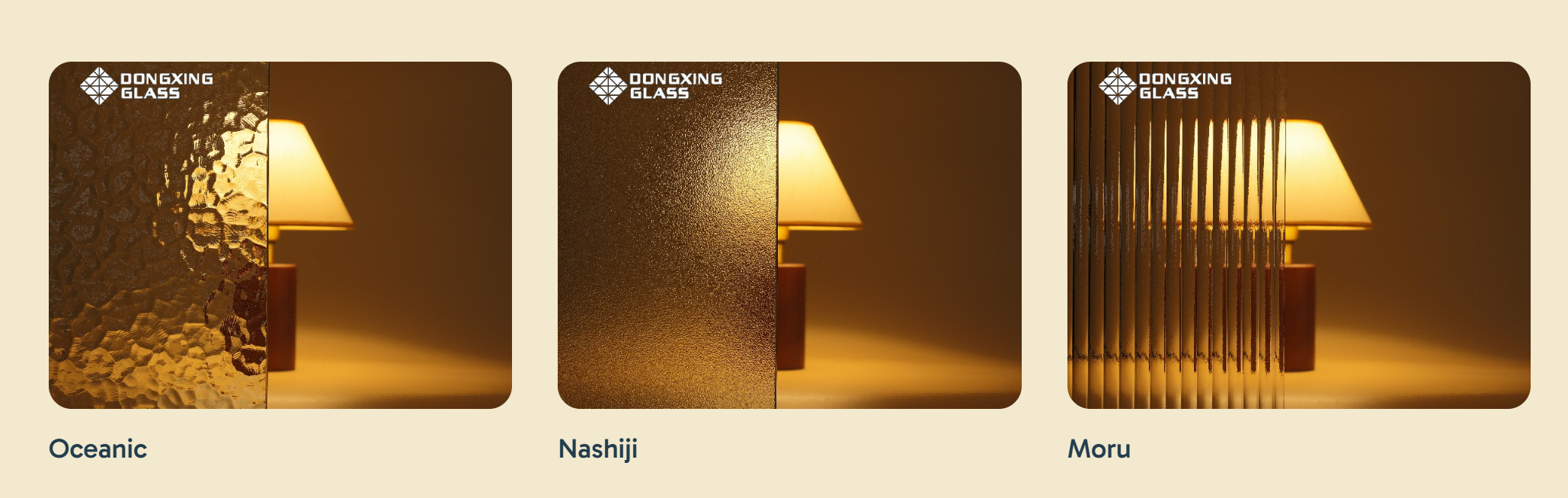
Introduction
Glass prices range from \(3/m² (basic float glass) to over \)10/m² (high-performance options) US dollar, with PATTERNED GLASS and DECORATED GLASS commanding even higher premiums. Key drivers include materials, processing, market demand, and logistics.
Glass prices range from \(3/m² (basic float glass) to over \)10/m² (high-performance options) US dollar, with PATTERNED GLASS and DECORATED GLASS commanding even higher premiums. Key drivers include materials, processing, market demand, and logistics.
Why are glass price difference?