
An Expert’s Guide: How to Evaluate the Quality of Nashiji Patterned Glass for PV Modules and Greenhouses
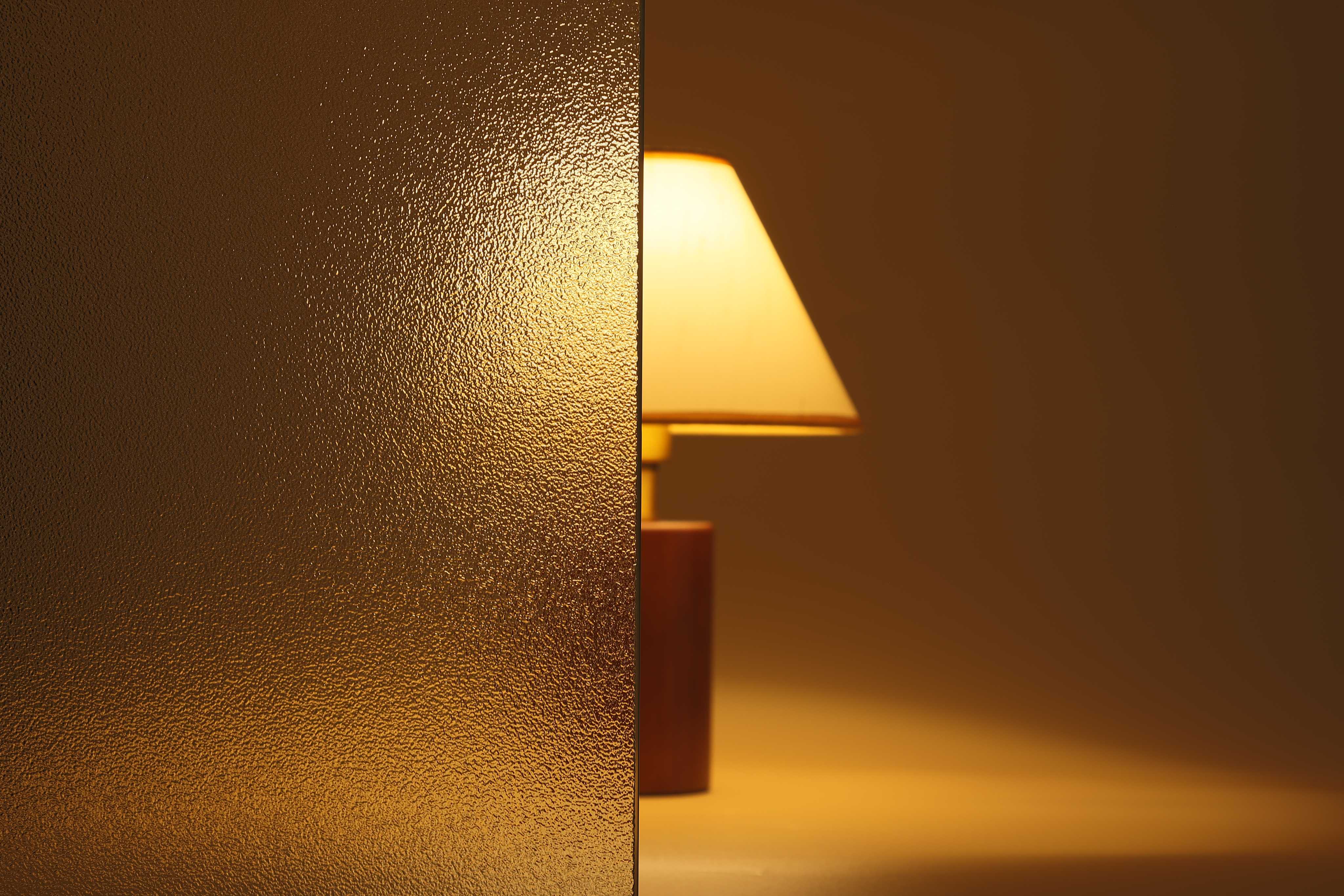
In the renewable energy and smart agriculture sectors, glass is not just a cover—it is an optical engine. As the Technical Director at Dongxing Glass, I often encounter buyers who focus solely on price, overlooking the critical optical parameters that dictate long-term ROI. In this guide, I will share how to professionally evaluate Nashiji glass.
1. The "Low Iron" Fallacy: Beyond the Color
Most buyers know that "Low Iron" means better transmittance, but how do you verify it? At Dongxing, we control Fe2O3 to strictly under 120ppm.
-
Expert Tip: Use a spectrophotometer to measure transmittance across the 380nm–1100nm range. High-quality glass should consistently exceed 91.6%. A slight "greenish" tint at the edge is a red flag for high iron content, which leads to energy absorption and module overheating.
2. Nashiji Texture: Precision of the "Optical Trap"
The Nashiji (Pear) pattern's role is to trap light.
-
Evaluation: Observe the uniformity of the pattern. Low-quality rollers create uneven textures that cause "hot spots" on PV cells. Dongxing’s precision-rolled Nashiji ensures a consistent light-trapping effect, capturing oblique rays during low-sun hours to extend daily energy yield by up to 45 minutes.
3. Understanding the Haze Factor in Greenhouses
For agricultural projects, the Haze factor (light scattering) is as important as transmittance.
-
The Science: High Haze (scattering) glass turns direct light into diffuse light. This is crucial because direct light only hits the top leaves, while diffuse light penetrates the lower canopy.
-
The Result: Our data shows that optimized Haze levels can increase crop yields (like tomatoes and medicinal plants) by over 10% by eliminating structural shadows and preventing leaf scorch.
Expert Conclusion:
Always demand a chemical composition report and a spectral transmittance curve. At Dongxing, we provide full transparency for our solar and agricultural glass to ensure your investment lasts the promised 25 years.
The "Moru" Evolution: Why Design Firms are Choosing Custom Fluted Glass for Luxury Interiors
